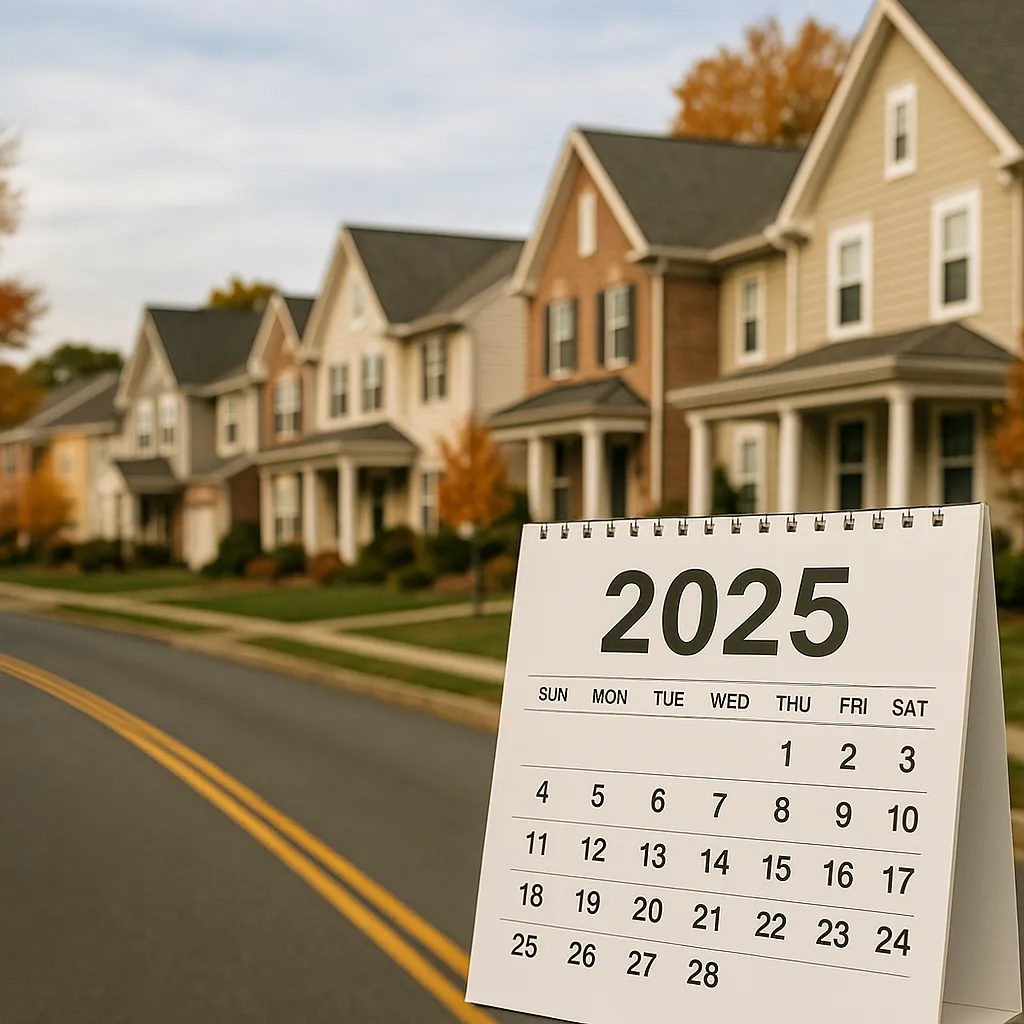
Franklin Turnpike Corridor: What Long-Term Owners Should Know Before Selling in 2025
Selling Your Franklin Turnpike Home? Start Planning Now
Owning a home along Northern New Jersey’s Franklin Turnpike corridor is like holding a front-row ticket to one of the area’s most reliable real-estate shows. The properties may be older, but the location, schools, and leafy small-town vibe keep buyers lining up—especially as we head toward the 2025 market.
Why Commuters and Families Love the Corridor
Franklin Turnpike cuts through several Bergen County communities—Allendale, Waldwick, Ramsey, and Mahwah—each offering NJ Transit stops, quick highway access, and top-rated schools. For New York City commuters, shaving even ten minutes off a daily trek is priceless. For parents, the ability to trade lengthy car rides for walkable parks and downtowns is equally valuable.
Everyday perks buyers mention most
Short train rides into Hoboken with easy PATH transfers to Manhattan.
Tree-shaded neighborhoods where kids can bike between friends’ houses.
A range of athletic fields, nature preserves, and weekend farmer’s markets.
Lower property taxes than many neighboring ZIP codes while still accessing stellar public schools.
With this lifestyle wish list, it’s no wonder demand rarely dips, even when interest rates rise.
How 1960s–1980s Homes Fuel Renovation-Driven Listings
Many Franklin Turnpike properties date from the post-war boom. Split-levels, center-hall colonials, and ranches dominate the streetscape. Their bones are solid, but finishes often scream “vintage.” For buyers scrolling listings, the phrase “bring your contractor” feels like an invitation, not a warning.
Here’s what that means for you as a long-time owner:
Solid structure equals blank canvas. Modern families crave open kitchens, finished basements, and transitional design—projects that older layouts accommodate beautifully.
Smaller footprints are easier to expand. Popping dormers or finishing attics is simpler than rebuilding luxury new-construction from scratch.
Utility upgrades matter. Swapping out original electrical panels or oil tanks beforehand can boost your list-price credibility.
“Buyers will pay a premium for potential—yet they still expect the invisible systems to be safe and up-to-date. A strategic pre-listing inspection can protect your wallet and your peace of mind.”
—Cathy Banu
Equity and Appreciation: Context for Long-Term Owners
If you bought in the late ’80s, ’90s, or even early 2000s, you’ve likely watched your property value rise steadily—pandemic surge included. But appreciation isn’t just a feel-good number; it’s a tool.
Consider the typical equity journey in the corridor:
Initial purchase price (example only): $250,000 to $350,000
Today’s conservative market value: often double or more, depending on lot size and updates
Net equity: principal paid down + appreciation – remaining mortgage balance
Usability: roll equity into a downsized condo, fund college tuition, or diversify investments
Even if headlines shout about “slowing markets,” local demand and tight inventory have kept Franklin Turnpike prices on a gentle upward path. Real-world takeaway? Your equity can underwrite lifestyle shifts instead of sitting idle on paper.
Generational Motivations: Downsizing, Estate Planning, and More
Every seller’s “why” is personal, yet common threads emerge:
Empty-nesters ready to simplify
The once-buzzing five-bedroom colonial now hosts two people and a high heating bill.
Stairs feel steeper, and yardwork cuts into travel plans.
Multigenerational estate decisions
Parents move to warmer climates, leaving adult children to coordinate a sale.
Heirs weigh capital-gains tax implications against retaining a rental property.
Young families trading up
Equity from a starter home funds the jump to larger Franklin Turnpike properties.
Timing is key: listing first, buying second, or bridging both.
Understanding these motivations frames your next steps—whether that’s renovating, listing “as-is,” or crafting a phased plan toward 2025.
Should You Renovate or Sell? A Decision Framework
Not sure if you should tackle a renovation or hand buyers the chance? Use this quick-glance guide.
Renovate before selling if:
Major mechanicals (HVAC, roof, electrical) are already updated; you’re mainly refreshing cosmetics.
Local comps show a clear price premium for turnkey homes of similar size.
You have the time, budget, and temperament to manage contractors for 6–9 months.
Sell as-is or with light staging if:
Structural or system upgrades are needed, and you’d rather let buyers customize.
You value speed and simplicity over squeezing every last dollar.
Your equity cushion means you’ll meet financial goals even at a slightly lower list price.
Whichever route you lean toward, keep the 2025 market cycle in mind. Contractors book out early, and winter projects can eat into spring listing windows. A conversation with a trusted real-estate advisor 9–12 months ahead can lock in timelines and cut surprises.
Preparing for a 2025 Launch: Month-by-Month Roadmap
January–March 2025 (12–9 months out)
Order a pre-listing inspection to surface hidden issues.
Meet with a local agent for a Comparative Market Analysis (CMA) focusing on 1960s–1980s homes.
April–June 2025 (9–6 months out)
Decide on renovation scope—or gather bids for handyman touch-ups.
Begin sorting, donating, and digitizing personal items.
July–September 2025 (6–3 months out)
Complete any contracted work; aim for interior photos before holiday décor appears.
Deep-clean, paint neutral, and stage key rooms.
October–December 2025 (90–30 days out)
Final CMA check to set an attractive pricing band.
Schedule professional photography, 3-D tours, and floor plans.
Launch Month (Spring 2025 ideal)
Activate MLS, social, and targeted commuter advertising.
Prepare for back-to-back showings; weekday evening slots attract NYC buyers after work.
Frequently Asked Questions
Q1: Do I need to replace my original windows before listing?
Not always. If they operate safely and your HVAC is efficient, buyers may accept older windows—especially if price reflects it.
Q2: How long does a typical sale take along Franklin Turnpike?
A well-priced, move-in-ready home can receive offers within two weeks and close in 45–60 days. As-is properties may sit longer but still draw strong investor interest.
Q3: What’s the biggest turnoff for today’s buyers?
Deferred maintenance. Bright paint colors or dated tile can be forgiven; failing roofs or ancient furnaces cannot.
Q4: Will rising interest rates kill buyer demand?
Higher rates may trim budgets, yet Franklin Turnpike’s commuter convenience and limited inventory keep demand resilient.
Q5: Can I buy first and sell later?
Bridge loans and home-sale contingencies exist, yet they require strategic timing and realistic pricing. Consult your lender and agent early.
Being a long-term Franklin Turnpike homeowner puts you in a position of strength. With clear goals, a realistic timeline, and informed guidance, your 2025 sale can feel less like a hurdle and more like the next step in your life story.
